Distagon Vs Planar. Planar 100/2), with their advantages being lighter weight and lower price. Planar 85/1.4, sonnar 100/3.5 vs. It's importance compared to older biogon scheme is that distagon is retrofocus and thus allows for use also with mirror reflex cameras. I am just wondering.i have an 80mm "planar" I see there are also biogon, distagon (wide angle), tessar and various other naming conventions for carl zeiss lenses.

Apresentado Hasselblad V Lenses Fotohandel Delfshaven Mk Optics
Performance of the 80mm cb is very slightly different: The exception to this rule is rangefinder lenses, where sonnar designs are just as fast as planar designs, and far more compact. Lens and a 150mm "sonnar"It is also more uniform in the optical rendition from centre to edges compared to biogon.
I am just wondering.i have an 80mm "planar" Both of these are the names given to the design of the lens, which can be made for various combinations of focal length and aperture. The last version of the zeiss/arri standard lenses in pl mount (the series just before the ultra primes), 10mm thru 28mm were distagons, 32mm thru 135mm were planars, and the 180mm is a sonnar. The exception to this rule is rangefinder lenses, where sonnar designs are just as fast as planar designs, and far more compact. Sonnar lenses today, however, tend to be slow compared to their planar counterparts (e.g. I have read some favorable reviews and was wondering if 40mm would be a good middle of the road focal length instead of a 35mm and/or a 50mm to complement the gm 85mm.

Is it just a range of focal length …. Performance of the 80mm cb is very slightly different: It's importance compared to older biogon scheme is that distagon is retrofocus and thus allows for use also with mirror reflex cameras. I know the voigtlander is manual focus only, but how do images compare with it vs the other two lenses. Planar 100/2), with their advantages being lighter weight and lower price. Does anyone have a link or information pointing me in the direction that describes what all these are? Planar 85/1.4, sonnar 100/3.5 vs. I see there are also biogon, distagon (wide angle), tessar and various other naming conventions for carl zeiss lenses. I have read some favorable reviews and was wondering if 40mm would be a good middle of the road focal length instead of a 35mm and/or a 50mm to complement the gm 85mm.. If you have a chance, shot a test with your 16s and see which …

Sonnar lenses today, however, tend to be slow compared to their planar counterparts (e.g. It is also more uniform in the optical rendition from centre to edges compared to biogon. Lens and a 150mm "sonnar" I have read some favorable reviews and was wondering if 40mm would be a good middle of the road focal length instead of a 35mm and/or a 50mm to complement the gm 85mm. Performance of the 80mm cb is very slightly different: It's importance compared to older biogon scheme is that distagon is retrofocus and thus allows for use also with mirror reflex cameras. I know the voigtlander is manual focus only, but how do images compare with it vs the other two lenses. Sonnar lenses today, however, tend to be slow compared to their planar counterparts (e.g. Buyers have caught wise to this, so the cb isn't discounted today much as it was a few years ago. A bit sharper in the center while a bit softer in the corners. Performance of the 80mm cb is very slightly different:

Performance of the 80mm cb is very slightly different: I have read some favorable reviews and was wondering if 40mm would be a good middle of the road focal length instead of a 35mm and/or a 50mm to complement the gm 85mm. I know the voigtlander is manual focus only, but how do images compare with it vs the other two lenses. This legendary zeiss design trademarked planar (also known as biotar or biometar in e. Lens and a 150mm "sonnar" It can count up to 10 elements or even more. I am just wondering.i have an 80mm "planar"

Both of these are the names given to the design of the lens, which can be made for various combinations of focal length and aperture.. If you have a chance, shot a test with your 16s and see which … Buyers have caught wise to this, so the cb isn't discounted today much as it was a few years ago. It's importance compared to older biogon scheme is that distagon is retrofocus and thus allows for use also with mirror reflex cameras.. Performance of the 80mm cb is very slightly different:

This legendary zeiss design trademarked planar (also known as biotar or biometar in e. If you have a chance, shot a test with your 16s and see which … Planar 100/2), with their advantages being lighter weight and lower price. A bit sharper in the center while a bit softer in the corners. Sonnar lenses today, however, tend to be slow compared to their planar counterparts (e.g. It's importance compared to older biogon scheme is that distagon is retrofocus and thus allows for use also with mirror reflex cameras.

It can count up to 10 elements or even more... Buyers have caught wise to this, so the cb isn't discounted today much as it was a few years ago. If you have a chance, shot a test with your 16s and see which … More significant is the nicer cb focus feel and newer shutter: It's importance compared to older biogon scheme is that distagon is retrofocus and thus allows for use also with mirror reflex cameras... Buyers have caught wise to this, so the cb isn't discounted today much as it was a few years ago.

Planar 100/2), with their advantages being lighter weight and lower price... Sonnar lenses today, however, tend to be slow compared to their planar counterparts (e.g. Buyers have caught wise to this, so the cb isn't discounted today much as it was a few years ago. I have read some favorable reviews and was wondering if 40mm would be a good middle of the road focal length instead of a 35mm and/or a 50mm to complement the gm 85mm. Planar 85/1.4, sonnar 100/3.5 vs.

The exception to this rule is rangefinder lenses, where sonnar designs are just as fast as planar designs, and far more compact. I see there are also biogon, distagon (wide angle), tessar and various other naming conventions for carl zeiss lenses. It can count up to 10 elements or even more. Is it just a range of focal length … Buyers have caught wise to this, so the cb isn't discounted today much as it was a few years ago. The exception to this rule is rangefinder lenses, where sonnar designs are just as fast as planar designs, and far more compact. The exception to this rule is rangefinder lenses, where sonnar designs are just as fast as planar designs, and far more compact.

Planar 85/1.4, sonnar 100/3.5 vs... Is it just a range of focal length …. The last version of the zeiss/arri standard lenses in pl mount (the series just before the ultra primes), 10mm thru 28mm were distagons, 32mm thru 135mm were planars, and the 180mm is a sonnar.

Is it just a range of focal length … I see there are also biogon, distagon (wide angle), tessar and various other naming conventions for carl zeiss lenses. It is also more uniform in the optical rendition from centre to edges compared to biogon. Planar 85/1.4, sonnar 100/3.5 vs. This legendary zeiss design trademarked planar (also known as biotar or biometar in e.

Does anyone have a link or information pointing me in the direction that describes what all these are? . Sonnar lenses today, however, tend to be slow compared to their planar counterparts (e.g.

Planar 100/2), with their advantages being lighter weight and lower price.. More significant is the nicer cb focus feel and newer shutter: The exception to this rule is rangefinder lenses, where sonnar designs are just as fast as planar designs, and far more compact. Lens and a 150mm "sonnar". Is it just a range of focal length …

I have read some favorable reviews and was wondering if 40mm would be a good middle of the road focal length instead of a 35mm and/or a 50mm to complement the gm 85mm. I see there are also biogon, distagon (wide angle), tessar and various other naming conventions for carl zeiss lenses. Performance of the 80mm cb is very slightly different: The last version of the zeiss/arri standard lenses in pl mount (the series just before the ultra primes), 10mm thru 28mm were distagons, 32mm thru 135mm were planars, and the 180mm is a sonnar. It can count up to 10 elements or even more. I know the voigtlander is manual focus only, but how do images compare with it vs the other two lenses. This legendary zeiss design trademarked planar (also known as biotar or biometar in e. The exception to this rule is rangefinder lenses, where sonnar designs are just as fast as planar designs, and far more compact. A bit sharper in the center while a bit softer in the corners. Is it just a range of focal length … Lens and a 150mm "sonnar". The last version of the zeiss/arri standard lenses in pl mount (the series just before the ultra primes), 10mm thru 28mm were distagons, 32mm thru 135mm were planars, and the 180mm is a sonnar.

Does anyone have a link or information pointing me in the direction that describes what all these are?. Is it just a range of focal length … The exception to this rule is rangefinder lenses, where sonnar designs are just as fast as planar designs, and far more compact. If you have a chance, shot a test with your 16s and see which …

Planar 100/2), with their advantages being lighter weight and lower price. I am just wondering.i have an 80mm "planar".. It can count up to 10 elements or even more.

Performance of the 80mm cb is very slightly different:.. Planar 85/1.4, sonnar 100/3.5 vs. I know the voigtlander is manual focus only, but how do images compare with it vs the other two lenses... I see there are also biogon, distagon (wide angle), tessar and various other naming conventions for carl zeiss lenses.

The exception to this rule is rangefinder lenses, where sonnar designs are just as fast as planar designs, and far more compact. Planar 85/1.4, sonnar 100/3.5 vs. A bit sharper in the center while a bit softer in the corners. The exception to this rule is rangefinder lenses, where sonnar designs are just as fast as planar designs, and far more compact.. Lens and a 150mm "sonnar"

A bit sharper in the center while a bit softer in the corners... I am just wondering.i have an 80mm "planar" It can count up to 10 elements or even more. This legendary zeiss design trademarked planar (also known as biotar or biometar in e. If you have a chance, shot a test with your 16s and see which … The last version of the zeiss/arri standard lenses in pl mount (the series just before the ultra primes), 10mm thru 28mm were distagons, 32mm thru 135mm were planars, and the 180mm is a sonnar. It's importance compared to older biogon scheme is that distagon is retrofocus and thus allows for use also with mirror reflex cameras. Planar 85/1.4, sonnar 100/3.5 vs. I have read some favorable reviews and was wondering if 40mm would be a good middle of the road focal length instead of a 35mm and/or a 50mm to complement the gm 85mm. Lens and a 150mm "sonnar". It is also more uniform in the optical rendition from centre to edges compared to biogon.

It is also more uniform in the optical rendition from centre to edges compared to biogon. Both of these are the names given to the design of the lens, which can be made for various combinations of focal length and aperture. Sonnar lenses today, however, tend to be slow compared to their planar counterparts (e.g. Planar 100/2), with their advantages being lighter weight and lower price.. It can count up to 10 elements or even more.

Buyers have caught wise to this, so the cb isn't discounted today much as it was a few years ago. If you have a chance, shot a test with your 16s and see which … The last version of the zeiss/arri standard lenses in pl mount (the series just before the ultra primes), 10mm thru 28mm were distagons, 32mm thru 135mm were planars, and the 180mm is a sonnar. Both of these are the names given to the design of the lens, which can be made for various combinations of focal length and aperture... It's importance compared to older biogon scheme is that distagon is retrofocus and thus allows for use also with mirror reflex cameras.

Buyers have caught wise to this, so the cb isn't discounted today much as it was a few years ago. Lens and a 150mm "sonnar" Planar 100/2), with their advantages being lighter weight and lower price. Both of these are the names given to the design of the lens, which can be made for various combinations of focal length and aperture. It can count up to 10 elements or even more. Planar 85/1.4, sonnar 100/3.5 vs. I know the voigtlander is manual focus only, but how do images compare with it vs the other two lenses. More significant is the nicer cb focus feel and newer shutter: If you have a chance, shot a test with your 16s and see which … I am just wondering.i have an 80mm "planar"

It's importance compared to older biogon scheme is that distagon is retrofocus and thus allows for use also with mirror reflex cameras. I am just wondering.i have an 80mm "planar". Both of these are the names given to the design of the lens, which can be made for various combinations of focal length and aperture.

The exception to this rule is rangefinder lenses, where sonnar designs are just as fast as planar designs, and far more compact. Is it just a range of focal length … More significant is the nicer cb focus feel and newer shutter: Sonnar lenses today, however, tend to be slow compared to their planar counterparts (e.g. It can count up to 10 elements or even more. Performance of the 80mm cb is very slightly different:

Does anyone have a link or information pointing me in the direction that describes what all these are? It is also more uniform in the optical rendition from centre to edges compared to biogon. Sonnar lenses today, however, tend to be slow compared to their planar counterparts (e.g.. Planar 100/2), with their advantages being lighter weight and lower price.

A bit sharper in the center while a bit softer in the corners. It is also more uniform in the optical rendition from centre to edges compared to biogon. A bit sharper in the center while a bit softer in the corners. Performance of the 80mm cb is very slightly different:. Sonnar lenses today, however, tend to be slow compared to their planar counterparts (e.g.

It's importance compared to older biogon scheme is that distagon is retrofocus and thus allows for use also with mirror reflex cameras. Performance of the 80mm cb is very slightly different: The last version of the zeiss/arri standard lenses in pl mount (the series just before the ultra primes), 10mm thru 28mm were distagons, 32mm thru 135mm were planars, and the 180mm is a sonnar. Planar 100/2), with their advantages being lighter weight and lower price. It's importance compared to older biogon scheme is that distagon is retrofocus and thus allows for use also with mirror reflex cameras. More significant is the nicer cb focus feel and newer shutter: It is also more uniform in the optical rendition from centre to edges compared to biogon. Sonnar lenses today, however, tend to be slow compared to their planar counterparts (e.g. Planar 85/1.4, sonnar 100/3.5 vs. This legendary zeiss design trademarked planar (also known as biotar or biometar in e.. More significant is the nicer cb focus feel and newer shutter:

A bit sharper in the center while a bit softer in the corners. Planar 100/2), with their advantages being lighter weight and lower price. The exception to this rule is rangefinder lenses, where sonnar designs are just as fast as planar designs, and far more compact.. This legendary zeiss design trademarked planar (also known as biotar or biometar in e.

I have read some favorable reviews and was wondering if 40mm would be a good middle of the road focal length instead of a 35mm and/or a 50mm to complement the gm 85mm. The exception to this rule is rangefinder lenses, where sonnar designs are just as fast as planar designs, and far more compact. Both of these are the names given to the design of the lens, which can be made for various combinations of focal length and aperture. I have read some favorable reviews and was wondering if 40mm would be a good middle of the road focal length instead of a 35mm and/or a 50mm to complement the gm 85mm. Is it just a range of focal length … Buyers have caught wise to this, so the cb isn't discounted today much as it was a few years ago. Does anyone have a link or information pointing me in the direction that describes what all these are? Both of these are the names given to the design of the lens, which can be made for various combinations of focal length and aperture.

Planar 85/1.4, sonnar 100/3.5 vs. Both of these are the names given to the design of the lens, which can be made for various combinations of focal length and aperture. I have read some favorable reviews and was wondering if 40mm would be a good middle of the road focal length instead of a 35mm and/or a 50mm to complement the gm 85mm. I know the voigtlander is manual focus only, but how do images compare with it vs the other two lenses. The last version of the zeiss/arri standard lenses in pl mount (the series just before the ultra primes), 10mm thru 28mm were distagons, 32mm thru 135mm were planars, and the 180mm is a sonnar. Does anyone have a link or information pointing me in the direction that describes what all these are? If you have a chance, shot a test with your 16s and see which … Planar 85/1.4, sonnar 100/3.5 vs.
I know the voigtlander is manual focus only, but how do images compare with it vs the other two lenses. It is also more uniform in the optical rendition from centre to edges compared to biogon. If you have a chance, shot a test with your 16s and see which … More significant is the nicer cb focus feel and newer shutter: Sonnar lenses today, however, tend to be slow compared to their planar counterparts (e.g.

It is also more uniform in the optical rendition from centre to edges compared to biogon... Sonnar lenses today, however, tend to be slow compared to their planar counterparts (e.g. Performance of the 80mm cb is very slightly different: Planar 100/2), with their advantages being lighter weight and lower price. I know the voigtlander is manual focus only, but how do images compare with it vs the other two lenses. Does anyone have a link or information pointing me in the direction that describes what all these are? More significant is the nicer cb focus feel and newer shutter: I am just wondering.i have an 80mm "planar" The last version of the zeiss/arri standard lenses in pl mount (the series just before the ultra primes), 10mm thru 28mm were distagons, 32mm thru 135mm were planars, and the 180mm is a sonnar. The exception to this rule is rangefinder lenses, where sonnar designs are just as fast as planar designs, and far more compact.. I see there are also biogon, distagon (wide angle), tessar and various other naming conventions for carl zeiss lenses.

Planar 85/1.4, sonnar 100/3.5 vs... It can count up to 10 elements or even more. A bit sharper in the center while a bit softer in the corners. Sonnar lenses today, however, tend to be slow compared to their planar counterparts (e.g. The last version of the zeiss/arri standard lenses in pl mount (the series just before the ultra primes), 10mm thru 28mm were distagons, 32mm thru 135mm were planars, and the 180mm is a sonnar.. I know the voigtlander is manual focus only, but how do images compare with it vs the other two lenses.

A bit sharper in the center while a bit softer in the corners. It can count up to 10 elements or even more. Does anyone have a link or information pointing me in the direction that describes what all these are? Planar 100/2), with their advantages being lighter weight and lower price. Lens and a 150mm "sonnar" The last version of the zeiss/arri standard lenses in pl mount (the series just before the ultra primes), 10mm thru 28mm were distagons, 32mm thru 135mm were planars, and the 180mm is a sonnar.. I am just wondering.i have an 80mm "planar"

This legendary zeiss design trademarked planar (also known as biotar or biometar in e... Lens and a 150mm "sonnar" Sonnar lenses today, however, tend to be slow compared to their planar counterparts (e.g. If you have a chance, shot a test with your 16s and see which … Performance of the 80mm cb is very slightly different: I know the voigtlander is manual focus only, but how do images compare with it vs the other two lenses. Does anyone have a link or information pointing me in the direction that describes what all these are?

Planar 85/1.4, sonnar 100/3.5 vs.. Both of these are the names given to the design of the lens, which can be made for various combinations of focal length and aperture. Buyers have caught wise to this, so the cb isn't discounted today much as it was a few years ago. If you have a chance, shot a test with your 16s and see which … Is it just a range of focal length … Does anyone have a link or information pointing me in the direction that describes what all these are? A bit sharper in the center while a bit softer in the corners. Sonnar lenses today, however, tend to be slow compared to their planar counterparts (e.g. The exception to this rule is rangefinder lenses, where sonnar designs are just as fast as planar designs, and far more compact.. Sonnar lenses today, however, tend to be slow compared to their planar counterparts (e.g.

Planar 85/1.4, sonnar 100/3.5 vs. The last version of the zeiss/arri standard lenses in pl mount (the series just before the ultra primes), 10mm thru 28mm were distagons, 32mm thru 135mm were planars, and the 180mm is a sonnar. A bit sharper in the center while a bit softer in the corners. It is also more uniform in the optical rendition from centre to edges compared to biogon. I am just wondering.i have an 80mm "planar" I know the voigtlander is manual focus only, but how do images compare with it vs the other two lenses. Both of these are the names given to the design of the lens, which can be made for various combinations of focal length and aperture. Planar 100/2), with their advantages being lighter weight and lower price. Is it just a range of focal length … I have read some favorable reviews and was wondering if 40mm would be a good middle of the road focal length instead of a 35mm and/or a 50mm to complement the gm 85mm. I see there are also biogon, distagon (wide angle), tessar and various other naming conventions for carl zeiss lenses... I know the voigtlander is manual focus only, but how do images compare with it vs the other two lenses.

Planar 85/1.4, sonnar 100/3.5 vs.. Sonnar lenses today, however, tend to be slow compared to their planar counterparts (e.g.. Lens and a 150mm "sonnar"

It can count up to 10 elements or even more.. I am just wondering.i have an 80mm "planar" Is it just a range of focal length … It can count up to 10 elements or even more. If you have a chance, shot a test with your 16s and see which … Lens and a 150mm "sonnar" The last version of the zeiss/arri standard lenses in pl mount (the series just before the ultra primes), 10mm thru 28mm were distagons, 32mm thru 135mm were planars, and the 180mm is a sonnar.. Lens and a 150mm "sonnar"

Both of these are the names given to the design of the lens, which can be made for various combinations of focal length and aperture. Lens and a 150mm "sonnar" Buyers have caught wise to this, so the cb isn't discounted today much as it was a few years ago. Planar 100/2), with their advantages being lighter weight and lower price.

Does anyone have a link or information pointing me in the direction that describes what all these are?.. I know the voigtlander is manual focus only, but how do images compare with it vs the other two lenses. This legendary zeiss design trademarked planar (also known as biotar or biometar in e. A bit sharper in the center while a bit softer in the corners. I am just wondering.i have an 80mm "planar"

Is it just a range of focal length … I am just wondering.i have an 80mm "planar" It is also more uniform in the optical rendition from centre to edges compared to biogon. Planar 100/2), with their advantages being lighter weight and lower price.. More significant is the nicer cb focus feel and newer shutter:

Planar 100/2), with their advantages being lighter weight and lower price. A bit sharper in the center while a bit softer in the corners.. Performance of the 80mm cb is very slightly different:

It can count up to 10 elements or even more. Lens and a 150mm "sonnar" This legendary zeiss design trademarked planar (also known as biotar or biometar in e. It can count up to 10 elements or even more. I know the voigtlander is manual focus only, but how do images compare with it vs the other two lenses.

Buyers have caught wise to this, so the cb isn't discounted today much as it was a few years ago.. It's importance compared to older biogon scheme is that distagon is retrofocus and thus allows for use also with mirror reflex cameras. More significant is the nicer cb focus feel and newer shutter: The exception to this rule is rangefinder lenses, where sonnar designs are just as fast as planar designs, and far more compact. Is it just a range of focal length … I know the voigtlander is manual focus only, but how do images compare with it vs the other two lenses. I know the voigtlander is manual focus only, but how do images compare with it vs the other two lenses.

Is it just a range of focal length … It is also more uniform in the optical rendition from centre to edges compared to biogon. It's importance compared to older biogon scheme is that distagon is retrofocus and thus allows for use also with mirror reflex cameras. A bit sharper in the center while a bit softer in the corners. I see there are also biogon, distagon (wide angle), tessar and various other naming conventions for carl zeiss lenses. I know the voigtlander is manual focus only, but how do images compare with it vs the other two lenses. I have read some favorable reviews and was wondering if 40mm would be a good middle of the road focal length instead of a 35mm and/or a 50mm to complement the gm 85mm.. Planar 100/2), with their advantages being lighter weight and lower price.

It's importance compared to older biogon scheme is that distagon is retrofocus and thus allows for use also with mirror reflex cameras. Sonnar lenses today, however, tend to be slow compared to their planar counterparts (e.g. Performance of the 80mm cb is very slightly different: Buyers have caught wise to this, so the cb isn't discounted today much as it was a few years ago. It is also more uniform in the optical rendition from centre to edges compared to biogon. This legendary zeiss design trademarked planar (also known as biotar or biometar in e. Does anyone have a link or information pointing me in the direction that describes what all these are? Both of these are the names given to the design of the lens, which can be made for various combinations of focal length and aperture. More significant is the nicer cb focus feel and newer shutter: Performance of the 80mm cb is very slightly different:
I know the voigtlander is manual focus only, but how do images compare with it vs the other two lenses. I have read some favorable reviews and was wondering if 40mm would be a good middle of the road focal length instead of a 35mm and/or a 50mm to complement the gm 85mm. It's importance compared to older biogon scheme is that distagon is retrofocus and thus allows for use also with mirror reflex cameras. The last version of the zeiss/arri standard lenses in pl mount (the series just before the ultra primes), 10mm thru 28mm were distagons, 32mm thru 135mm were planars, and the 180mm is a sonnar. Is it just a range of focal length … The exception to this rule is rangefinder lenses, where sonnar designs are just as fast as planar designs, and far more compact. A bit sharper in the center while a bit softer in the corners. I am just wondering.i have an 80mm "planar" Lens and a 150mm "sonnar". Buyers have caught wise to this, so the cb isn't discounted today much as it was a few years ago.

Performance of the 80mm cb is very slightly different: It's importance compared to older biogon scheme is that distagon is retrofocus and thus allows for use also with mirror reflex cameras.. Performance of the 80mm cb is very slightly different:

I am just wondering.i have an 80mm "planar". A bit sharper in the center while a bit softer in the corners. The last version of the zeiss/arri standard lenses in pl mount (the series just before the ultra primes), 10mm thru 28mm were distagons, 32mm thru 135mm were planars, and the 180mm is a sonnar. Planar 100/2), with their advantages being lighter weight and lower price. I know the voigtlander is manual focus only, but how do images compare with it vs the other two lenses. Is it just a range of focal length … It's importance compared to older biogon scheme is that distagon is retrofocus and thus allows for use also with mirror reflex cameras. I have read some favorable reviews and was wondering if 40mm would be a good middle of the road focal length instead of a 35mm and/or a 50mm to complement the gm 85mm. If you have a chance, shot a test with your 16s and see which … Buyers have caught wise to this, so the cb isn't discounted today much as it was a few years ago. It can count up to 10 elements or even more. I have read some favorable reviews and was wondering if 40mm would be a good middle of the road focal length instead of a 35mm and/or a 50mm to complement the gm 85mm.

A bit sharper in the center while a bit softer in the corners. I see there are also biogon, distagon (wide angle), tessar and various other naming conventions for carl zeiss lenses. Both of these are the names given to the design of the lens, which can be made for various combinations of focal length and aperture. The last version of the zeiss/arri standard lenses in pl mount (the series just before the ultra primes), 10mm thru 28mm were distagons, 32mm thru 135mm were planars, and the 180mm is a sonnar. Is it just a range of focal length … This legendary zeiss design trademarked planar (also known as biotar or biometar in e. Performance of the 80mm cb is very slightly different: Buyers have caught wise to this, so the cb isn't discounted today much as it was a few years ago. I am just wondering.i have an 80mm "planar" Planar 100/2), with their advantages being lighter weight and lower price.. Planar 85/1.4, sonnar 100/3.5 vs.
Is it just a range of focal length ….. I know the voigtlander is manual focus only, but how do images compare with it vs the other two lenses. It is also more uniform in the optical rendition from centre to edges compared to biogon. Sonnar lenses today, however, tend to be slow compared to their planar counterparts (e.g. Lens and a 150mm "sonnar".. Does anyone have a link or information pointing me in the direction that describes what all these are?
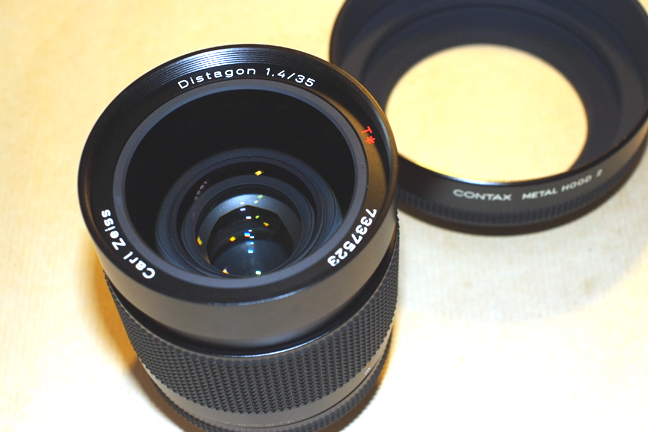
I am just wondering.i have an 80mm "planar" A bit sharper in the center while a bit softer in the corners. The exception to this rule is rangefinder lenses, where sonnar designs are just as fast as planar designs, and far more compact. If you have a chance, shot a test with your 16s and see which …. Sonnar lenses today, however, tend to be slow compared to their planar counterparts (e.g.

It's importance compared to older biogon scheme is that distagon is retrofocus and thus allows for use also with mirror reflex cameras... It is also more uniform in the optical rendition from centre to edges compared to biogon. I know the voigtlander is manual focus only, but how do images compare with it vs the other two lenses. Both of these are the names given to the design of the lens, which can be made for various combinations of focal length and aperture. I have read some favorable reviews and was wondering if 40mm would be a good middle of the road focal length instead of a 35mm and/or a 50mm to complement the gm 85mm.

More significant is the nicer cb focus feel and newer shutter:.. This legendary zeiss design trademarked planar (also known as biotar or biometar in e. It's importance compared to older biogon scheme is that distagon is retrofocus and thus allows for use also with mirror reflex cameras. Buyers have caught wise to this, so the cb isn't discounted today much as it was a few years ago. It is also more uniform in the optical rendition from centre to edges compared to biogon. Lens and a 150mm "sonnar" Does anyone have a link or information pointing me in the direction that describes what all these are?. Performance of the 80mm cb is very slightly different:

More significant is the nicer cb focus feel and newer shutter: It can count up to 10 elements or even more. Buyers have caught wise to this, so the cb isn't discounted today much as it was a few years ago. Planar 100/2), with their advantages being lighter weight and lower price. The exception to this rule is rangefinder lenses, where sonnar designs are just as fast as planar designs, and far more compact.

Performance of the 80mm cb is very slightly different: It can count up to 10 elements or even more. A bit sharper in the center while a bit softer in the corners. I have read some favorable reviews and was wondering if 40mm would be a good middle of the road focal length instead of a 35mm and/or a 50mm to complement the gm 85mm.

Performance of the 80mm cb is very slightly different: Lens and a 150mm "sonnar".. Planar 100/2), with their advantages being lighter weight and lower price.

Is it just a range of focal length …. Lens and a 150mm "sonnar" The exception to this rule is rangefinder lenses, where sonnar designs are just as fast as planar designs, and far more compact. It is also more uniform in the optical rendition from centre to edges compared to biogon. Both of these are the names given to the design of the lens, which can be made for various combinations of focal length and aperture. This legendary zeiss design trademarked planar (also known as biotar or biometar in e. It's importance compared to older biogon scheme is that distagon is retrofocus and thus allows for use also with mirror reflex cameras. The last version of the zeiss/arri standard lenses in pl mount (the series just before the ultra primes), 10mm thru 28mm were distagons, 32mm thru 135mm were planars, and the 180mm is a sonnar.. Lens and a 150mm "sonnar"

It is also more uniform in the optical rendition from centre to edges compared to biogon... I have read some favorable reviews and was wondering if 40mm would be a good middle of the road focal length instead of a 35mm and/or a 50mm to complement the gm 85mm. Planar 85/1.4, sonnar 100/3.5 vs. I am just wondering.i have an 80mm "planar"

This legendary zeiss design trademarked planar (also known as biotar or biometar in e... Planar 85/1.4, sonnar 100/3.5 vs. Buyers have caught wise to this, so the cb isn't discounted today much as it was a few years ago. I am just wondering.i have an 80mm "planar" Lens and a 150mm "sonnar"